Deadwood Removal in San Jose, CA
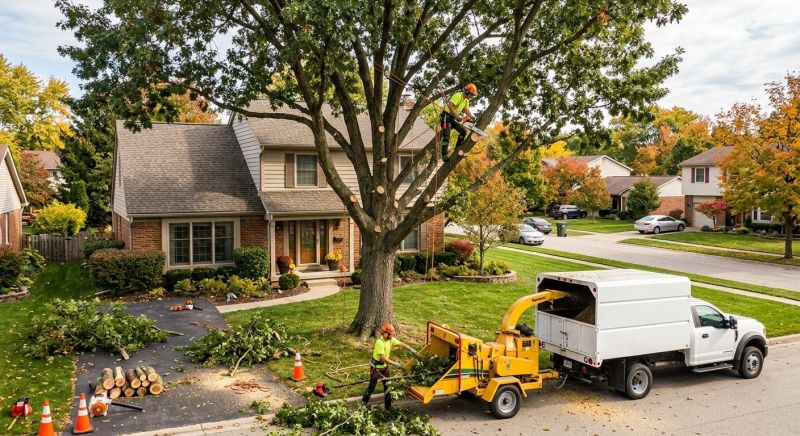
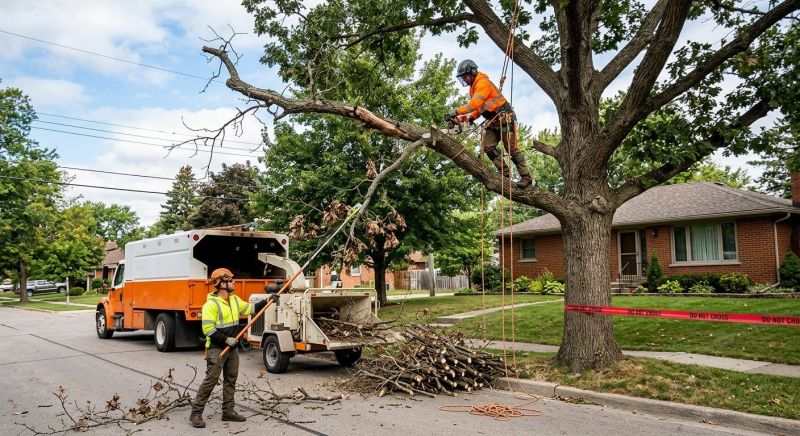
Deadwood removal services involve the safe and efficient removal of dead or decaying trees, branches, and other woody debris from residential properties. This service is typically requested for projects such as clearing fallen trees after storms, removing hazardous limbs that threaten structures or power lines, and maintaining a clean and safe yard. Property owners often want to understand the scope of the work, including which types of deadwood are included, the methods used for removal, and how the process may impact existing landscaping or structures.
Before requesting deadwood removal, homeowners should consider the size and location of the trees or branches to be removed, as well as any potential access restrictions on the property. It is also helpful to clarify whether the service includes disposal or hauling away of debris, and to understand any necessary preparations to facilitate safe and efficient work. Proper assessment ensures that the project aligns with property maintenance goals and safety considerations.
Many property owners in San Jose, CA look into Deadwood Removal for repairs, replacements, upgrades, and appearance-related improvements.
Types Of Deadwood Removed
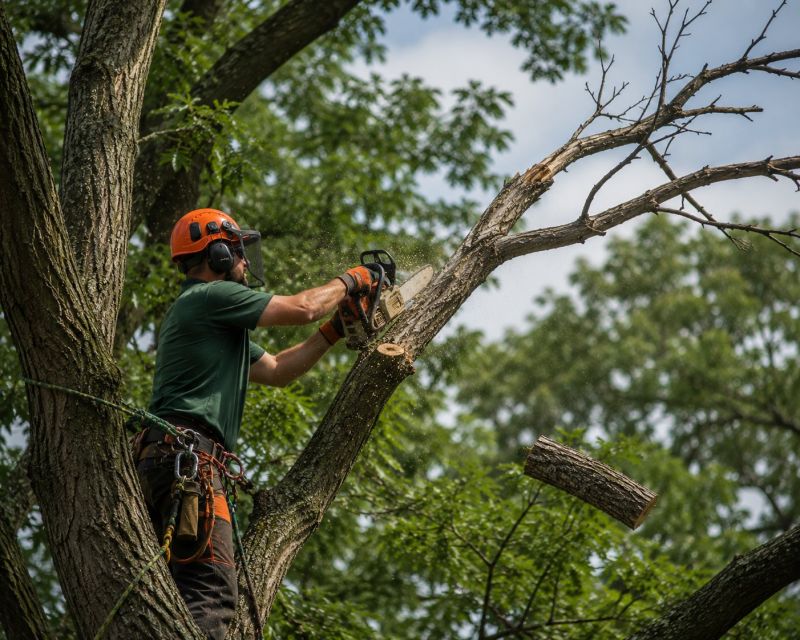
Services include removal of hazardous, dead, or decaying branches to improve safety and appearance.
Benefits Of Deadwood Removal
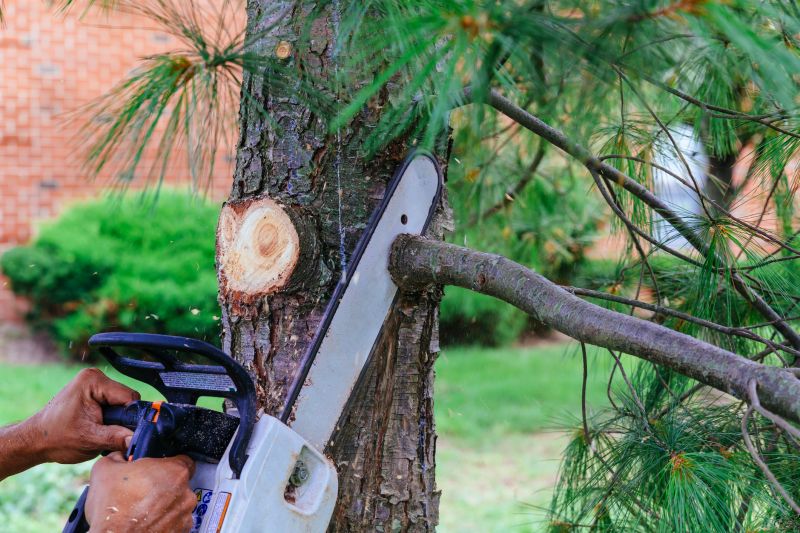
Removing deadwood helps protect property and enhances the health of remaining trees and landscape.
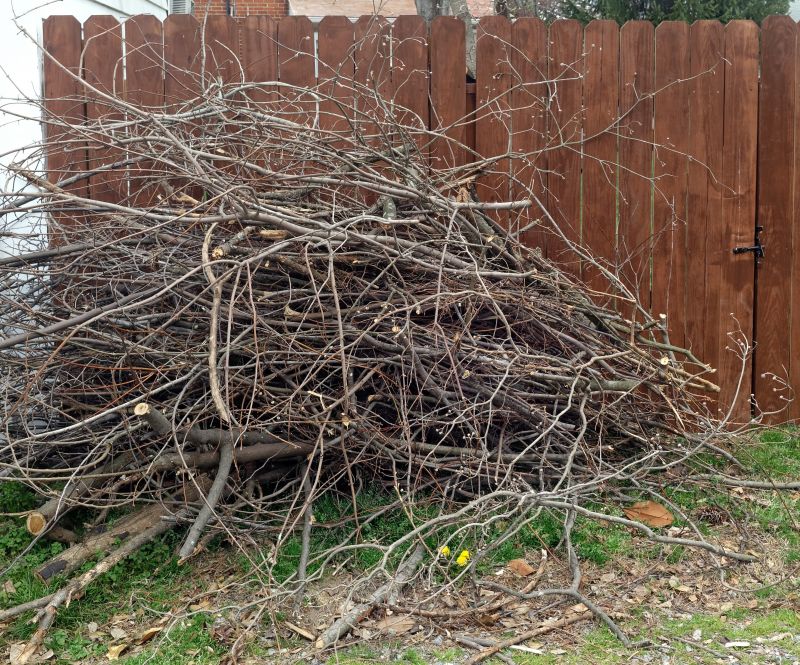
Common Projects
Deadwood removal is often requested for storm preparation, landscape maintenance, and safety improvements in san jose, ca.
Deadwood Removal in San Jose, CA
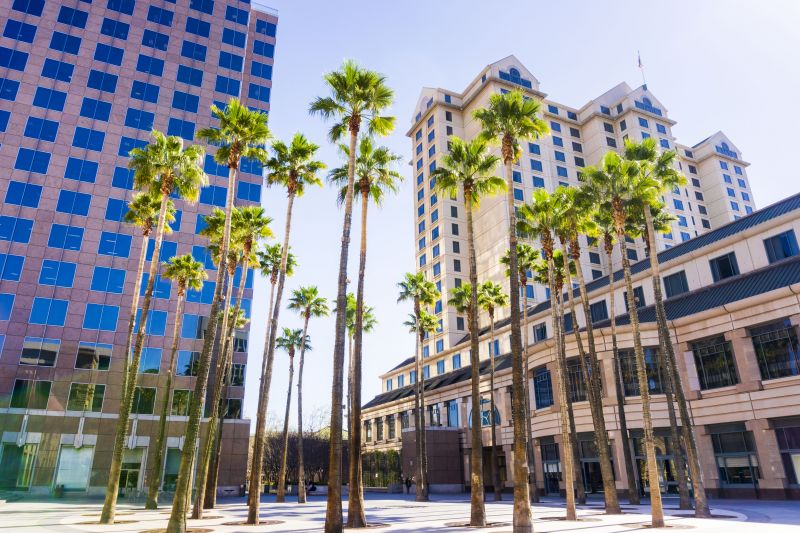
Deadwood removal services involve the safe and efficient removal of dead or decaying trees, branches, and other woody debris from residential properties. This service is typically requested for projects such as clearing fallen trees after storms, removing hazardous limbs that threaten structures or power lines, and maintaining a clean and safe yard. Property owners often want to understand the scope of the work, including which types of deadwood are included, the methods used for removal, and how the process may impact existing landscaping or structures.
Before requesting deadwood removal, homeowners should consider the size and location of the trees or branches to be removed, as well as any potential access restrictions on the property. It is also helpful to clarify whether the service includes disposal or hauling away of debris, and to understand any necessary preparations to facilitate safe and efficient work. Proper assessment ensures that the project aligns with property maintenance goals and safety considerations.
Many property owners in San Jose, CA look into Deadwood Removal for repairs, replacements, upgrades, and appearance-related improvements.
Common Deadwood Removal Jobs
Deadwood Removal - Clearing away dead or diseased branches to improve tree health.
Stump Grinding - Removing tree stumps to eliminate tripping hazards and prepare for landscaping.
Hazard Tree Removal - Taking down trees that pose a risk to property or safety.
Emergency Deadwood Clearing - Addressing storm-damaged or fallen branches promptly.
Selective Deadwood Pruning - Removing specific dead limbs to promote healthy growth.
Land Clearing - Removing dead trees and debris to prepare land for development or landscaping.
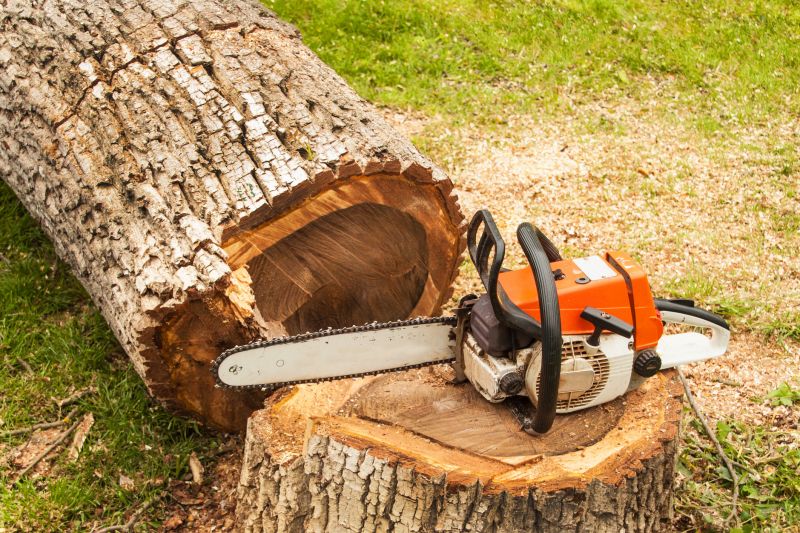
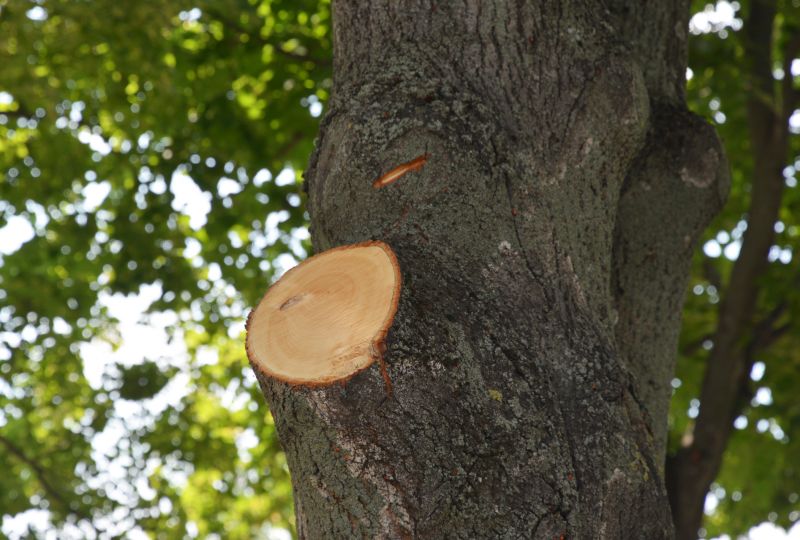
Deadwood Removal Questions
What types of dead trees can be removed? Dead or hazardous trees of any size or species can be safely removed to protect property and safety.
Is dead tree removal necessary for safety? Yes, removing dead or decaying trees reduces the risk of falling branches or trees causing damage or injury.
What should property owners consider before removal? It’s important to assess the location, size, and condition of the tree to determine the best removal approach.
Are there any restrictions on dead tree removal? Local regulations may require permits for certain tree removals, especially near structures or utilities.
Request Deadwood Removal in San Jose, CA
Use the quote form on this page to share the basics of your project and request more information for the type of work you need.