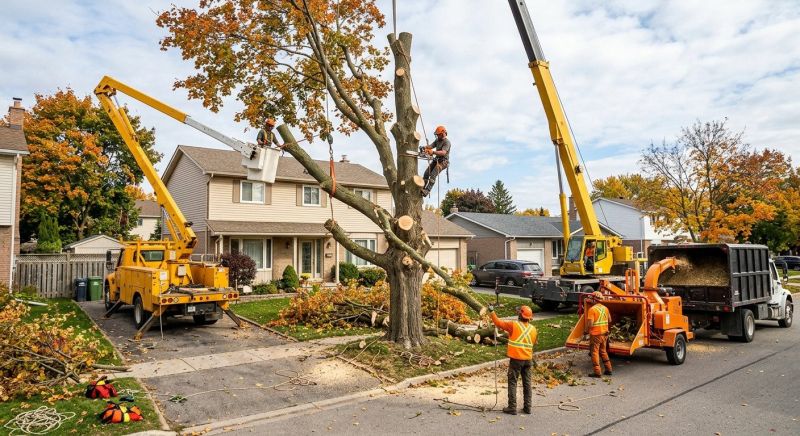
Spruce Tree Removal in San Jose, CA
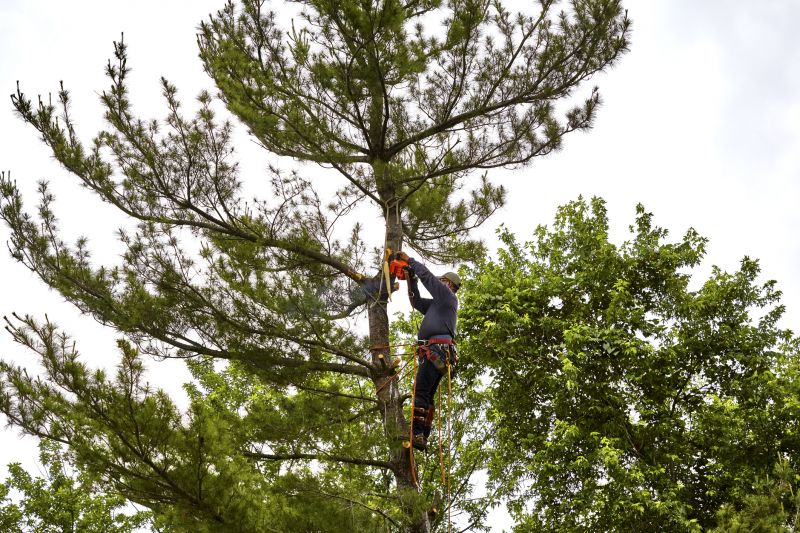
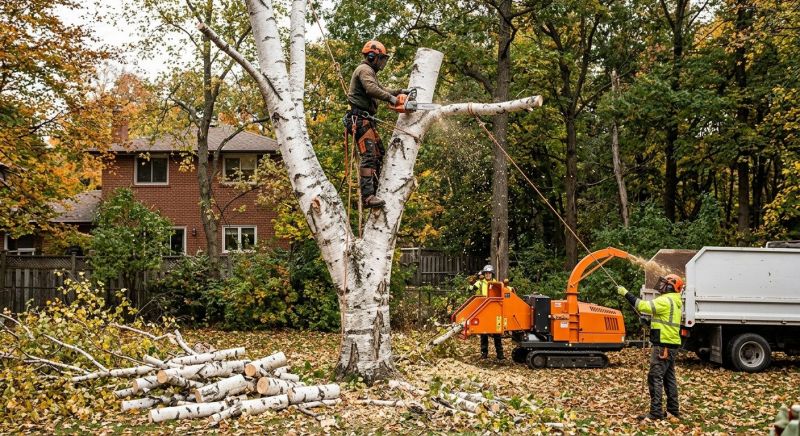
Spruce tree removal services involve the careful and efficient removal of unwanted or hazardous spruce trees from residential or commercial properties. These projects typically include removing dead, diseased, or overgrown trees that may pose safety risks or interfere with property aesthetics. Property owners often request this service when trees have become structurally compromised, are close to structures or utility lines, or when clearing space for landscaping or construction projects.
Before requesting spruce tree removal, property owners should consider the size and location of the tree, as well as any potential obstacles such as nearby structures, power lines, or other vegetation. Understanding the condition of the tree, including signs of disease or decay, can help determine the appropriate removal method. Clear information about the tree’s accessibility and any specific concerns can assist in planning a safe and efficient removal process.
Many property owners in San Jose, CA look into Spruce Tree Removal for repairs, replacements, upgrades, and appearance-related improvements.
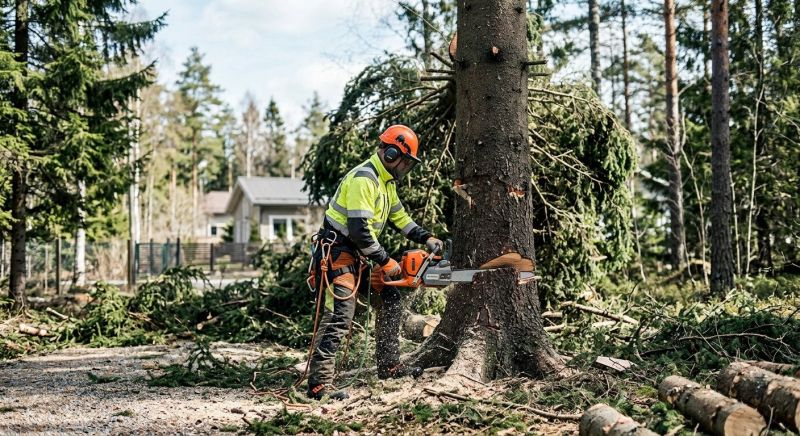
Reasons To Remove Spruce Trees
Removing damaged or diseased spruces helps maintain property safety and landscape health.
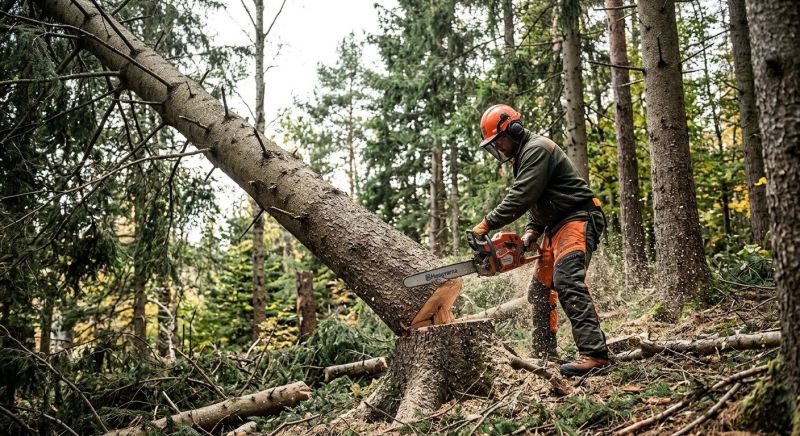
Spruce Removal Techniques
Proper pruning and safe removal methods ensure the surrounding area remains protected during the process.

Post-Removal Landscape Care
Restoring the area after removal can improve curb appeal and prepare the space for new plantings or features.
Spruce Tree Removal in San Jose, CA
Spruce tree removal services involve the careful and efficient removal of unwanted or hazardous spruce trees from residential or commercial properties. These projects typically include removing dead, diseased, or overgrown trees that may pose safety risks or interfere with property aesthetics. Property owners often request this service when trees have become structurally compromised, are close to structures or utility lines, or when clearing space for landscaping or construction projects.
Before requesting spruce tree removal, property owners should consider the size and location of the tree, as well as any potential obstacles such as nearby structures, power lines, or other vegetation. Understanding the condition of the tree, including signs of disease or decay, can help determine the appropriate removal method. Clear information about the tree’s accessibility and any specific concerns can assist in planning a safe and efficient removal process.
Many property owners in San Jose, CA look into Spruce Tree Removal for repairs, replacements, upgrades, and appearance-related improvements.
Common Spruce Tree Removal Jobs
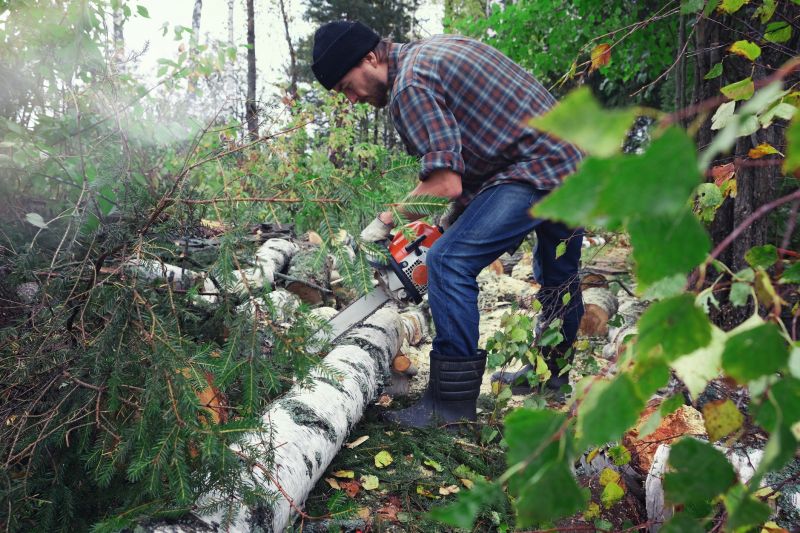
Tree Removal - safely removing damaged or dead trees to prevent hazards on the property.
Stump Grinding - grinding down tree stumps to improve landscape appearance and prevent regrowth.
Emergency Tree Removal - responding to storm-damaged or dangerous trees that pose immediate risks.
Selective Tree Cutting - thinning or pruning specific branches to maintain tree health and property safety.
Hazard Tree Assessment - evaluating trees for potential risks and recommending removal or maintenance options.
Root Removal - extracting invasive or damaged roots that threaten foundation or underground utilities.
Spruce Tree Removal Questions
When is it necessary to remove a spruce tree? Removal may be needed if the tree is diseased, damaged, or poses a safety risk due to its location or condition.
What signs indicate a spruce tree may need removal? Signs include dead or dying branches, leaning trunk, extensive decay, or root issues affecting stability.
Are there alternatives to removing a spruce tree? Pruning or treatment may be options if the tree is healthy but has specific issues; consultation can determine the best approach.
What should property owners consider before removing a spruce tree? Consider the tree’s size, location, and impact on the landscape to ensure proper removal and site restoration.
Request Spruce Tree Removal in San Jose, CA
Use the quote form on this page to share the basics of your project and request more information for the type of work you need.